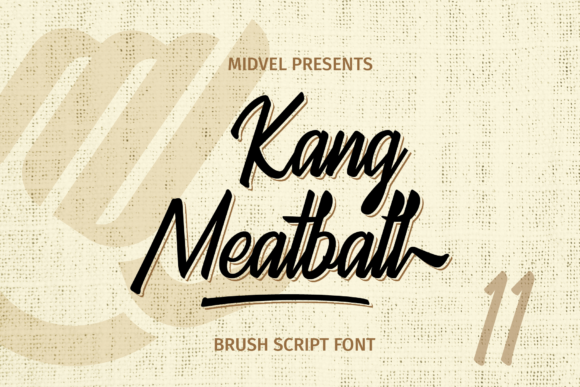
Kang Meatball Script: Unleash Bold Creativity
Every designer eventually hits a point where the standard corporate typefaces feel a little too sterile. You want something that captures the warmth of the human touch but maintains the polish of professional modern typography. Enter Kang Meatball Script. This isn't just another script font; it is a dynamic, premium font rooted in the fluidity of brush pen calligraphy. It offers a distinct visual personality that bridges the gap between casual handwritten notes and high-end branding. If you are looking for a typeface that feels energetic and authentic, this is the tool that can transform your design toolkit.
The Anatomy of Brush Calligraphy
Understanding the visual structure of Kang Meatball Script helps you use it effectively. It functions as a display font, meaning its primary purpose is to grab attention in headlines and large text rather than in long-form body copy. The strokes mimic the pressure of a real brush pen, featuring thick downstrokes and thin, delicate upstrokes. This contrast creates a natural rhythm that guides the viewer's eye.
Unlike rigid geometric sans-serifs, this typeface has an organic flow. It possesses a certain "bounce" in its baseline, giving it a lively, approachable vibe. It avoids the overly ornate loops of traditional wedding scripts, leaning instead toward a modern typography aesthetic that feels current and relevant. When you utilize Kang Meatball Script, you are introducing a texture that digital-only fonts often lack—it feels inked, real, and tangible.
Practical Applications for Real-World Projects
The versatility of a creative font like this is its strongest asset. You don't need to be a typographer to find high-value uses for it. Here is how different professionals can leverage this typeface for maximum impact:
- Logo Design and Brand Identity: For small businesses, boutiques, cafes, or personal brands, logo design requires a font that is memorable. Kang Meatball Script provides that instant personality. It works exceptionally well for brands that want to appear friendly, artisanal, or approachable.
- Packaging Design: On a crowded shelf, a serif font or sans serif font can sometimes blend in. A bold handwritten font creates a focal point. Use it for product labels, especially in the food, cosmetics, or lifestyle sectors, to suggest a handcrafted quality.
- Editorial and Publishing: In editorial design, headers need to set the mood instantly. This font is perfect for magazine covers, chapter titles in book designs, or blog headers. It pairs beautifully with clean, neutral body text to create a strong visual hierarchy.
- Merchandise and Apparel: The apparel market thrives on t-shirt designs that speak to specific lifestyles. This font’s brush aesthetic translates perfectly to screen printing and DTG (Direct to Garment) printing, offering a streetwear or vintage vibe.
- Digital Marketing and Social Media: In the fast-scrolling world of social media graphics, you have seconds to catch attention. Using this font for Instagram quotes, YouTube thumbnails, or Facebook ads can increase engagement by adding an emotional, human element to the design.
Technical Edge: The Power of PUA Encoding
One of the most critical features of Kang Meatball Script is its accessibility. It is PUA (Private Use Areas) encoded. For the non-designer, this simply means you can access every glyph, swash, and stylistic alternate without needing professional design software like Adobe Illustrator or InDesign.
You can use Character Map on Windows or Font Book on Mac to copy and paste special characters directly into your documents. This is a massive advantage for content creators using tools like Canva or Cricut Design Space. It allows you to add those professional finishing touches—like a tail on the end of a word or a special ligature—to your web design or craft projects with ease.
Mastering Font Pairing and Hierarchy
Using a bold script font requires a strategy. If you use Kang Meatball Script for everything, your design becomes unreadable. The key to professional modern typography is contrast. This is where font pairing becomes essential.
Because this typeface is expressive and textured, it demands a calm partner. Pair it with a simple geometric sans serif font for body text. The clean lines of the sans-serif will allow the script to stand out without causing visual clutter. Alternatively, a classic serif font can be used to create a more traditional, elegant look, ideal for formal invitations or upscale packaging design.
When establishing your visual hierarchy, reserve Kang Meatball Script for H1 headers, sub-headers, or pull quotes. Use it to highlight key words that you want your audience to remember. This ensures that your brand identity remains professional while still showcasing creativity.
Evaluating Fit and Commercial Licensing
Before integrating any commercial font into your workflow, you must evaluate the project fit and the legal usage. Kang Meatball Script is a premium font, which generally indicates a higher quality of design and kerning (spacing between letters) compared to free alternatives.
When testing the font, type out your specific headlines. Look at the flow between letters. A high-quality handwritten font will have smooth connections that don't look forced. Check the licensing agreement. If you are creating design assets for resale (like a template you sell on Etsy), you need to ensure the license permits derivative digital products. For physical goods like t-shirt designs or advertising materials, standard desktop licenses usually suffice, but always verify.
Ultimately, Kang Meatball Script is more than just a collection of vectors; it is a tool for storytelling. By understanding its strengths in logo design, its technical capabilities with PUA encoding, and its role in font pairing, you can elevate your projects from generic to exceptional. Whether you are a seasoned designer or a small business owner managing your own marketing, this typeface offers a reliable way to inject personality and professionalism into your work.