Pine Script: Your Go-To Hand-Drawn Font for Authenticity
In a world saturated with crisp, digital perfection, there’s a growing hunger for the human touch. We scroll past endless feeds of polished graphics, often feeling a disconnect. This is where the power of a well-chosen typeface comes into play, and why a premium font like Pine Script is more than just letters on a page—it's a bridge to genuine connection. This isn't your average, overly formal script font. Pine Script captures the relaxed, slightly imperfect beauty of actual handwriting, making it an invaluable design asset for anyone looking to inject personality and warmth into their work.
More Than Just Letters: The Personality of Pine Script
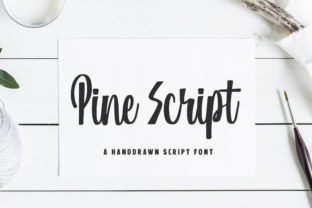
So, what exactly defines the look and feel of Pine Script? Imagine the natural flow of a favorite pen on textured paper. The strokes have a gentle, organic weight, avoiding the rigid uniformity of many digital fonts. There’s a subtle bounce to the baseline and a casual elegance in the ligatures, giving text a lively, conversational rhythm. It’s a handwritten font that feels authentic without sacrificing legibility. The overall appeal is one of approachability and creativity. It suggests that a real person crafted the message, which instantly builds a layer of trust and relatability with your audience. Whether you're a content creator or a small business owner, this personality is your secret weapon.
Where Pine Script Truly Shines: Practical Applications
The versatility of a strong display font like this is remarkable. Its applications span the entire creative landscape, proving its worth as a truly commercial font. Let’s break down where it can make the biggest impact:
- Branding & Logo Design: For brands that want to feel artisanal, boutique, or personally connected to their customers, Pine Script is a perfect fit. Think coffee roasters, florists, boutique bakeries, or freelance consultants. It helps build a brand identity that feels human and memorable.
- Marketing & Social Media Graphics: In the fast-paced world of social media graphics, standing out is key. Use Pine Script for eye-catching quotes, sale announcements, or Instagram story highlights. Its hand-drawn nature stops the scroll and feels native to the informal, visual language of platforms like Instagram and Pinterest.
- Packaging & Editorial Design: On product packaging, it communicates care and craftsmanship. In editorial design, it’s perfect for pull quotes, chapter headings, or special feature titles in magazines and lookbooks, adding a layer of visual interest that a standard serif font or sans serif font can't provide.
- Digital & Web Design: Used strategically, it can elevate a web design project. It’s excellent for hero section headings, call-to-action buttons, or short descriptive text where you want to guide the user’s eye with a personal touch. Paired with a clean, readable body font, it creates a beautiful and functional visual hierarchy.
- Personal & Commercial Projects: From wedding invitations and greeting cards to blog headers and digital product covers, Pine Script brings a personalized, high-quality feel to any project, whether for personal use or commercial sale.
Working with Pine Script: A Practical Guide
Choosing a creative font is just the first step. Using it effectively is what separates good design from great design. Here’s how to get the most out of Pine Script in your projects.
Evaluating Fit and Font Pairings
First, ask yourself if the font’s personality aligns with your message. Pine Script’s friendly, informal vibe isn’t the right choice for a corporate law firm’s annual report, but it’s ideal for a yoga studio’s new class schedule. The magic often happens in the font pairing. To ensure readability and create a strong visual hierarchy, pair Pine Script with a simple, neutral typeface. A classic sans serif font like Open Sans or Lato for body text allows the script headings to pop without overwhelming the reader. Avoid pairing it with another decorative or overly stylized font, as this creates visual competition and chaos.
Testing and Refinement
Never just drop a font into a design and call it done. Test it at the actual size it will be viewed. A phrase that looks beautiful at 48px on your screen might become an unreadable blur at 12px on a mobile device. Pay attention to the spacing between letters and lines (kerning and leading). Sometimes, a slight adjustment can dramatically improve the flow and readability of a headline. Review the font’s full character set; many premium fonts like Pine Script include stylistic alternates and ligatures that can add extra flair and uniqueness to your text.
Understanding Commercial Use
If you're using Pine Script for client work, merchandise, or digital products you sell, it’s crucial to understand the licensing. As a premium font, it comes with a commercial license that permits such use, but it’s always your responsibility to read and adhere to the specific terms. This protects both you and the font’s creator, ensuring you can use this valuable design asset with confidence across all your professional endeavors.
Ultimately, incorporating a typeface like Pine Script into your toolkit is about embracing a more human-centered approach to design. It’s a practical choice that directly influences how your audience perceives and engages with your work. By using it thoughtfully—pairing it wisely, testing its limits, and applying it to the right contexts—you can leverage its unique charm to build stronger connections, enhance your brand identity, and create designs that feel genuinely alive.