Qtie Script: The Playful Typeface That Brings Charm to Your Brand
There's a moment in every design project where the typography either clicks or it doesn't. You've got the layout figured out, the colors are solid, the imagery works—and then you drop in a font that completely changes the energy. That's exactly what happens when you introduce Qtie Script into a project. This is a script font with genuine personality, one that manages to feel both approachable and polished without leaning too hard in either direction.
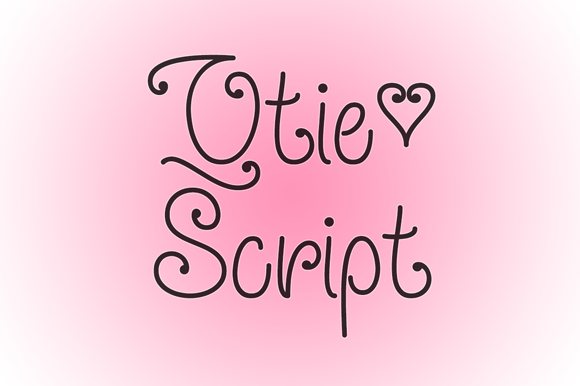
As someone who's worked with hundreds of typefaces over the years, I can tell you that finding a handwritten font that doesn't look amateur or overly casual is harder than most people think. Qtie Script solves that problem beautifully. It carries a lovely, flowing quality with rounded letterforms and gentle curves that give it warmth without sacrificing legibility. The strokes have a natural rhythm to them, almost like someone sat down with a brush pen and let their hand move freely—but with enough consistency that it reads clearly at various sizes.
What Makes Qtie Script Stand Out From Other Script Fonts
The market is flooded with script fonts and handwritten fonts, so what sets this one apart? It comes down to balance. Many decorative typefaces sacrifice readability for style, or they look great in isolation but fall apart when placed next to other design elements. Qtie Script maintains its charm across different contexts. The letter spacing feels intentional, the baseline has a natural sway without becoming chaotic, and the overall texture of the typeface adds visual interest without overwhelming a layout.
There's a sweetness to it, certainly—hence the name—but it doesn't come across as childish. Think of it as the typographic equivalent of a well-designed bakery logo or the lettering on a premium skincare label. It signals care, creativity, and a certain warmth that draws people in. For designers working on brand identity projects, this kind of emotional resonance is invaluable. You're not just choosing letterforms; you're choosing a feeling.
Another practical advantage is that Qtie Script typically comes with design assets like alternate characters, ligatures, and stylistic sets. These extras give you flexibility. Maybe you want the lowercase "t" to have a different crossbar, or you need a swash on the end of a word for a logo. Having those options built into the font itself saves time and opens up creative possibilities that a single-style typeface simply can't offer.
Where This Creative Font Truly Shines
Not every typeface works everywhere, and part of being a thoughtful designer or brand owner is knowing when a font is the right fit. Qtie Script excels in specific applications where personality and warmth matter more than corporate neutrality.
Packaging design is a natural home for this typeface. If you're developing labels for artisan foods, handmade candles, beauty products, or boutique beverages, a script font like Qtie Script immediately communicates craft and care. It tells the customer that a real person put thought into this product. Pair it with a clean sans serif font for the product details and you've got a combination that looks professional while still feeling personal.
For logo design, Qtie Script works especially well for businesses that want to feel approachable—think florists, cafés, wedding planners, photographers, children's brands, and lifestyle bloggers. The key here is restraint. Use it for the primary wordmark or a tagline accent, and let a more neutral serif font or sans serif handle supporting text. This creates a visual hierarchy that guides the eye naturally.
Social media graphics are another strong application. Platforms like Instagram and Pinterest reward visual personality, and a display font with character helps posts stand out in crowded feeds. Qtie Script works beautifully for quote graphics, sale announcements, story headers, and branded templates. Because it's a premium font rather than something everyone has access to, it also gives your content a more distinctive, less generic look compared to the overused free alternatives.
Editorial designers and bloggers will find it useful for pull quotes, chapter headings, and feature titles. In editorial design, a script typeface can break up the monotony of body text and add visual rhythm to a page spread or a long-form article. Just be mindful of size—Qtie Script reads best when it has room to breathe, so reserve it for larger display sizes rather than running paragraphs.
Pairing Qtie Script With Other Typefaces
A great script font rarely works in isolation. The real magic happens in font pairing—combining typefaces that complement each other without competing. Qtie Script's rounded, friendly forms pair exceptionally well with geometric sans serifs. Think fonts like Montserrat, Poppins, or Futura. The clean lines and structured geometry of those typefaces create a satisfying contrast with the organic flow of the script.
If you're going for something more traditional or editorial, a classic serif font like Garamond or Playfair Display can create an elegant pairing. This combination works well for wedding stationery, upscale branding, or boutique editorial layouts. The serif brings gravitas while Qtie Script adds a human touch.
Avoid pairing it with other handwritten fonts or overly decorative typefaces—that's where layouts start to feel cluttered and directionless. The general principle is simple: contrast creates interest. Let one typeface do the heavy lifting for body copy and reserve Qtie Script for moments where you want to inject personality.
Practical Considerations Before You Commit
Before incorporating any commercial font into a project, it's worth doing a quick evaluation. First, consider your audience. Qtie Script appeals to adults who appreciate warmth and creativity, but if you're designing for a fintech startup or a law firm, it probably isn't the right call. Context matters enormously in modern typography.
Test it at the sizes you'll actually use. Pull up a mock of your website, your packaging layout, or your social media template and drop Qtie Script in. Does it hold up at small sizes, or does it lose clarity? Script fonts generally perform best as headlines and accents, so plan your typeface system accordingly.
Check the licensing terms carefully. If you're using it for a client project, a product line, or anything commercial, make sure the license covers your intended use. Most premium font licenses are straightforward, but it's always worth confirming before a project goes to print or launch.
Finally, explore the full character set. Many designers download a font, use the basic alphabet, and never look at what else is included. With Qtie Script, you might find swashes, ornaments, or alternate glyphs that elevate your work significantly. Take twenty minutes to explore the OpenType features in your design software—it's time well spent.
Qtie Script isn't trying to be everything to everyone, and that's precisely its strength. It knows what it is: a creative font that adds genuine warmth and charm to the right project. Used thoughtfully, it becomes one of those design assets you reach for again and again—not because it's trendy, but because it works.