Why Mabista Script Brings Playful Energy to Modern Design
Finding the right typeface often feels like searching for a specific personality in a sea of options. When a project calls for a blend of whimsy, sophistication, and approachability, a standard sans serif font might feel too clinical, while a rigid serif font could lack the necessary flair. This is where Mabista Script enters the conversation. It is not merely a collection of letters; it is a script font with a distinct heartbeat, featuring characters that seem to dance playfully along the baseline. For designers, entrepreneurs, and content creators looking to inject warmth into their brand identity, this typeface offers a versatile solution that balances charm with professional utility.
The Visual Personality of a Dancing Typeface
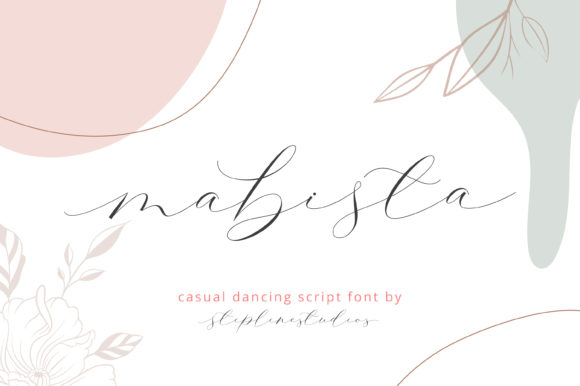
At its core, Mabista Script is defined by its fluidity. Unlike rigid typewriter styles or overly formal calligraphy, this handwritten font embraces a sense of movement. The letters connect in a natural, flowing rhythm, creating a visual cadence that draws the eye forward. This is a premium font that prioritizes personality without sacrificing legibility. The strokes are crafted with a modern touch, avoiding the scratchy, illegible pitfalls often associated with lesser script fonts. Instead, it offers a polished yet organic aesthetic, making it a standout choice for anyone building a creative font library.
One of the most significant technical advantages of Mabista Script is its PUA encoding. For those outside the design industry, this might sound like jargon, but in practice, it is a game-changer. PUA (Private Use Areas) encoding ensures that all the special glyphs, swashes, and alternate characters are accessible to everyone, regardless of the software they use. Whether you are working in Adobe Illustrator, Photoshop, or even basic word processors, you can easily access the full range of decorative elements. This accessibility makes it a practical design asset for teams where not everyone is a technical wizard.
Where Mabista Script Shines: Practical Applications
Understanding a font’s visual style is one thing; knowing where to apply it is another. Mabista Script is incredibly versatile, but it thrives in specific environments where its unique character can breathe.
Branding and Logo Design
In the realm of logo design, a script font can instantly humanize a brand. If you are building a business that relies on personal connection—such as a boutique coffee shop, a wedding photography studio, or a handmade jewelry line—Mabista Script serves as an excellent primary wordmark or accent font. It signals to the customer that the brand values craftsmanship and personal touch. However, a key observation for brand identity work is to ensure the font remains legible at small sizes, particularly for web design favicons or mobile headers.
Digital and Print Marketing
For marketers and bloggers, the font offers a way to break the monotony of standard body text. It works exceptionally well for pull quotes, section headers in editorial design, or calls-to-action on landing pages. In social media graphics, where grabbing attention in a split second is vital, the "dancing" quality of Mabista Script can stop a user from scrolling. It pairs beautifully with clean, geometric sans-serifs, allowing the script to do the heavy lifting for the headline while the sans-serif delivers the information.
Packaging and Physical Products
On physical products, texture matters. Mabista Script translates beautifully to packaging design. Imagine it printed on a matte finish label for artisanal goods or embossed on a business card. The fluid lines of the font suggest a tactile quality that aligns with premium products. It is an ideal choice for creators selling on platforms like Etsy or for small business owners designing their own collateral.
Strategic Typography: Influence on Perception and Hierarchy
Choosing a font is a strategic decision that impacts how your audience perceives your message. Mabista Script influences the visual hierarchy of a design by providing a clear contrast to standard text fonts. When used for a headline, it acts as a focal point, guiding the reader’s eye exactly where you want it.
From a psychological perspective, script fonts like Mabista Script evoke feelings of elegance, intimacy, and creativity. They soften the corporate edge of a design. If a brand wants to be seen as approachable and friendly rather than rigid and bureaucratic, this typeface is a strong ally. However, using it requires restraint. A common mistake in modern typography is overusing decorative fonts. If an entire website is written in Mabista Script, readability drops, and the user experience suffers. The key is to use it for accents—headlines, sub-headers, or logos—while relying on a sturdy serif font or sans serif font for the body copy.
Practical Guidance for Implementation
Integrating a new font into a workflow requires a bit of strategy. Here is how to get the most out of Mabista Script:
- Font Pairing is Essential: Mabista Script pairs best with fonts that don't compete for attention. A clean sans-serif like Montserrat or Lato provides a solid foundation, allowing the script’s details to pop. Alternatively, pairing it with a classic serif can create a vintage-modern aesthetic.
- Test for Readability: Always test the font at the actual size it will be viewed. What looks like a charming swash on a 27-inch monitor might look like a blur on a smartphone screen. Ensure the contrast between the text and background is high enough.
- Explore the Glyphs: Because it is a premium font with extensive PUA encoding, take the time to explore the alternate characters. Swashes can be added to the beginning or end of words to create a more custom, hand-lettered look. This is particularly useful for logo design where you want a unique flair.
- Check Licensing: If you are using the font for commercial purposes—such as a client’s brand identity, merchandise, or packaging design—ensure your license covers commercial use. This is a standard best practice for any commercial font.
Ultimately, Mabista Script is more than just a display font; it is a tool for storytelling. It allows designers and entrepreneurs to infuse their work with a sense of joy and fluidity. By using it thoughtfully within a broader typographic system, you can elevate your design assets and create a brand presence that feels both professional and delightfully human.